How to Examine Activities and Treatments in Dementia Care Communities
Business Name: BeeHive Homes of Draper
Address: 711 Pioneer Rd, Draper, UT 84020
Phone: (801) 495-3100
BeeHive Homes of Draper
Full service assisted living facility serving southern Salt Lake County offering all-inclusive Memory Care, Assisted Living, and Senior/Adult Day Care services.
711 Pioneer Rd, Draper, UT 84020
Business Hours
Families rarely tour a memory care neighborhood simply once. They circle back, compare notes, and review. The hesitation is natural, due to the fact that activities in dementia care are not icing on the cake. They are the cake. Structured days, meaningful engagement, and treatments that decrease distress can add convenience, safeguard function, and provide households back minutes that seem like the person they remember. The obstacle is that shiny calendars and buzzwords can obscure what actually happens between breakfast and bedtime.

I have sat with directors of nursing who can read agitation in a resident's shoulders from throughout the room, and I have enjoyed activity assistants pull off little wonders with a familiar song and a warm tone. I have actually likewise seen schedules loaded with trivia and crafts that fail by lunch. The difference usually comes down to style, not decors. This guide is constructed from those lived patterns and from research on what tends to work, what often works, and what frequently looks much better on paper than in practice.
What "excellent" appears like in dementia care activities
Good programs begin with an individual, not a calendar. Personnel know who liked fishing, who taught second grade, who never ever liked groups, and who needs coffee before discussion. Every engagement option flows from that map, with a basic goal: match the task to the individual's capabilities and preferences today, while keeping a thread to their identity.
Expect to see a rhythm rather than a stiff schedule. If the morning includes mild motion and familiar music, late early morning might provide hands-on work like folding towels, setting a table, watering plants, or kneading bread dough. After lunch, shows ought to downshift, since many people experience lower energy and higher confusion in the afternoon. Quiet sensory activities, brief one-to-one visits, or a small walking group can settle the system before dinner.
The most trusted indications of quality are not expensive spaces. They are the little interactions that lower distress and trigger attention: a staff member bending to eye level, offering a resident a paintbrush and a choice of 2 colors, or breaking jobs into single actions without patronizing.
Calibrating for development and personality
Dementia is not a single slope. Abilities alter in a different way throughout medical diagnoses and even within the very same week. A well run memory care program adapts in four practical ways.
First, it simplifies tasks without removing self-respect. If a resident can not complete a 1,000 piece puzzle, staff offer a puzzle with 24 high contrast pieces that still feels adult. If group discussions move too quick, they invite the person to check out headings aloud, then pause for a reaction.
Second, it appreciates life patterns. Night owls need to not be pushed into 7:30 a.m. Sing-alongs. Previous accounting professionals might prefer sorting and ledger style tasks. A retired nurse may respond to a mock medication cart used as a life story prop, relieving anxiety by leaning into familiar roles.
Third, it recognizes that behavior communicates requirement. Somebody pacing in circles during bingo might require a strolling partner and a destination, not a seat at the card table. The very best activities team believes like investigators and adjusts on the fly.
Fourth, it understands that late-stage locals still gain from engagement, but the menu modifications. Believe hand massage with scented lotion, soft materials to touch, rhythmic call and action, and viewing birds at a feeder. Presence and sensory comfort matter more than performance.
Staffing, training, and ratios that make programs real
I ask three questions about staffing before I appreciate the art room. Who creates the calendar, who in fact runs it daily, and how are they trained to bridge the two? A calendar constructed by a business office will often miss the subtlety of an unit's real residents. On the other hand, a calendar developed by frontline staff without oversight can wander into repeating and burnout. Strong programs pair an activities director with devoted aides embedded on the memory unit, with input from nursing and social work.
Ratios matter, however they are not the entire story. A busy unit may need one dedicated activities expert for each 12 to 18 residents during peak hours, supplemented by cross experienced caregivers who can support engagement while assisting with care tasks. What matters most is whether staff are protected from consistent pull to cover showers or medication passes. If the activities individual spends half the shift on call lights, the program will stall after morning coffee.
Training needs to include the fundamentals of dementia communication, habits analysis, and strategies like Montessori based dementia care and validation techniques. Ask how often training takes place and whether new hires shadow knowledgeable personnel. In my experience, communities that schedule refreshers every quarter, even quick huddles with function play, sustain better engagement because methods stay sharp.
Reading the everyday schedule with a practical eye
A posted calendar is a starting point, not evidence. Try to find a balance of group and one-to-one time, cognitive and physical activity, and sensory and social engagement. Repeating is not bad. Familiar routines anchor individuals, however copying the exact same event at the exact same time for weeks can flatten interest. A well balanced week may show music two or three times, workout most early mornings, outdoor time numerous days weather permitting, and turning themes that nod to residents' backgrounds.
Pay attention to timing. Mornings are often best for more structured activities. Afternoons ought to plan for smaller sized, quieter, shorter engagements. Nights need relaxing routines that are simple but consistent, like tea service, soft music, or a reading group with poetry or inspirational passages. Programs that set up complicated jobs after 4 p.m. Typically see escalating agitation.
Finally, discover the blanks. Unscheduled time is not an opponent if staff are trained to use it for spontaneous, individualized interactions. The people who prosper in memory care typically enjoy small, repeated routines: the same staff member greeting with a favorite expression, the exact same plant watered every Tuesday, the same photo album opened after lunch.
Evidence behind typical therapies, without the hype
Research in dementia care is practical more frequently than it is best, however we do know some treatments regularly assist. Cognitive Stimulation Therapy, a structured small group program normally used in 14 or more sessions, reveals modest improvements in cognition and lifestyle for individuals with mild to moderate dementia. It works best when delivered as created, in small groups with experienced facilitators and themed sessions. It requires preparation and personnel ability, so not every neighborhood provides it, but if you see it on the calendar, ask how they trained and whether they follow a manual.
Music based approaches have strong real life traction. Personalized playlists can raise mood and decrease agitation, specifically throughout individual care. Live or interactive music therapy, led by a credentialed music therapist, deepens the result by adjusting rhythm and engagement to the person's responses. Music is not a cure for roaming or sundowning, but it typically softens the edges of those behaviors.
Montessori based dementia care restructures everyday tasks into sequenced actions with visual cues. Think about labeled drawers, color coded bins, and activities that match ability, like arranging hardware by size or pairing socks. Evidence suggests improvements in engagement, independence in basic jobs, and decreased responsive habits. The key is fidelity. A laminated indication that states Montessori design does nothing without the environmental tweaks and staff habits that make it work.
Reminiscence and life story work aid anchor identity. In practice, this appears like a resident's bio at the bedside, shadow boxes outside rooms with artifacts and photos, and regular use of those stories in discussion. It likewise appears like sensitivity. Not every memory is happy. Proficient staff prevent forcing narratives and pivot when a topic triggers distress.
Exercise, both seated and standing, brings consistent advantages. Even 10 to 20 minutes of chair-based strength and balance work most mornings can reduce fall risk over time. Strolling clubs add social structure and sleep guideline. Look for proper guidance, good shoes, hydration, and modifications for heart or orthopedic limits.
Art and craft programs frequently prosper when they emphasize procedure over product. Thick handled brushes, high contrast colors, and brief sessions lower disappointment. Pet treatment, if done with well qualified animals and handlers, can cut through lethargy and spark smiles. Sensory spaces can be calming if they avoid visual clutter and loud, competing stimuli.
Some treatments have actually mixed or limited proof. Aromatherapy may help some individuals however tends to be irregular. Doll treatment can comfort some residents with supporting histories, however it can feel infantilizing to others if not presented attentively. Virtual truth provides novelty, but headsets can overwhelm. Technology needs to never ever substitute for human connection.
The power of one-to-one engagement
Group activities are effective, but one-to-one interactions often deliver the most significant gains. A 12 minute visit with a warm tone, an easy purpose, and a sensory element can carry somebody through an afternoon. Look for assistants who get here with a little basket of products tailored to a resident: a deck of large print cards, a tactile ball, a lavender sachet, a short playlist on a pocket speaker. If staff rely only on groups, quieter or more advanced locals will wander to the margins.
One-to-one work needs staffing defense. Neighborhoods that set up two or three daily one-to-one blocks, each 15 to 20 minutes, for locals with greater needs or regular distress usually see less behavioral escalations and less reliance on as-needed medications.
How to examine throughout a visit
Families typically feel they need a medical eye to judge programs. You do not. You need to slow down and watch. Visit during an activity block. Stand back and discover who is engaged, who is wandering, and how personnel respond. Personnel must not scold or coax aggressively. They need to offer alternatives without friction. If somebody leaves a group, a staff member should quietly follow with a simpler job or a walking option.
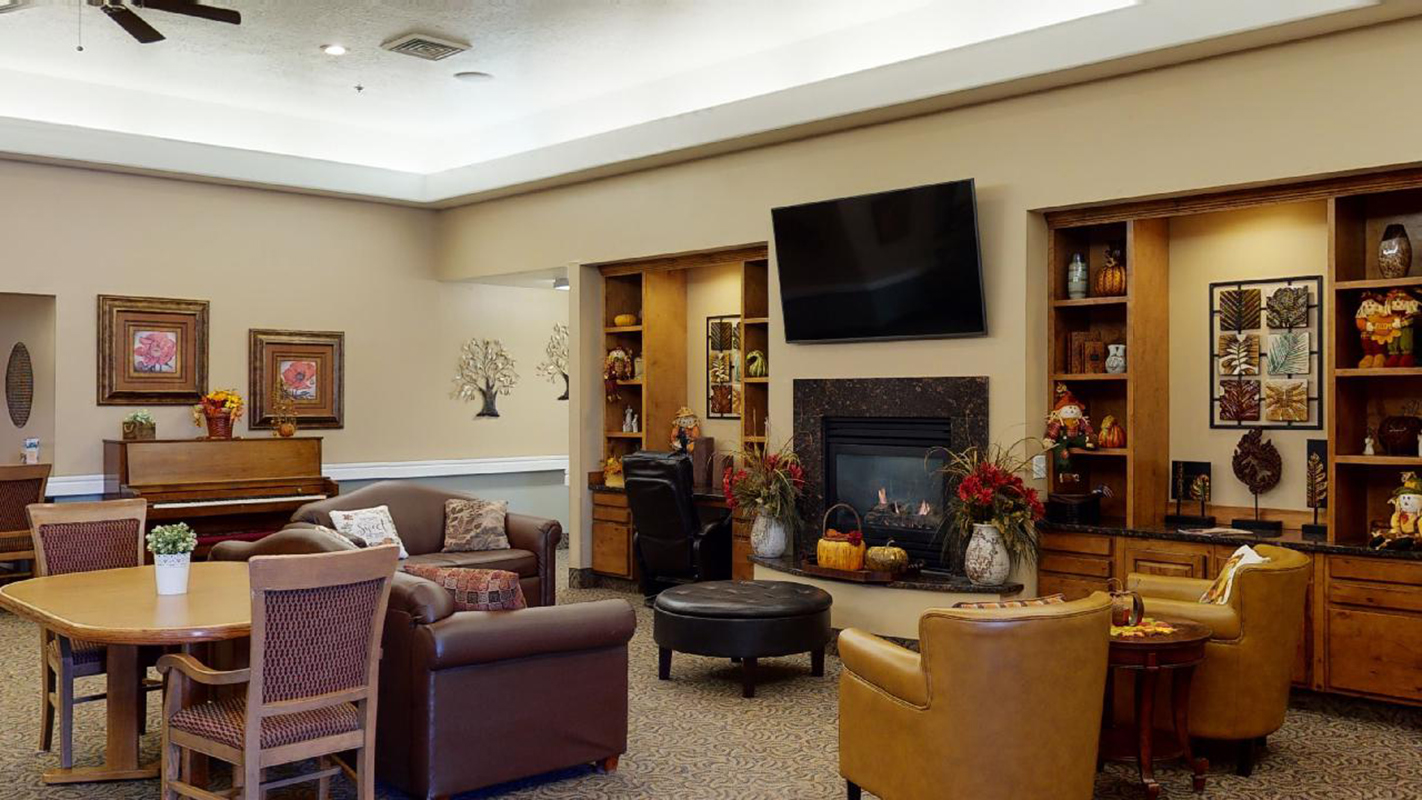
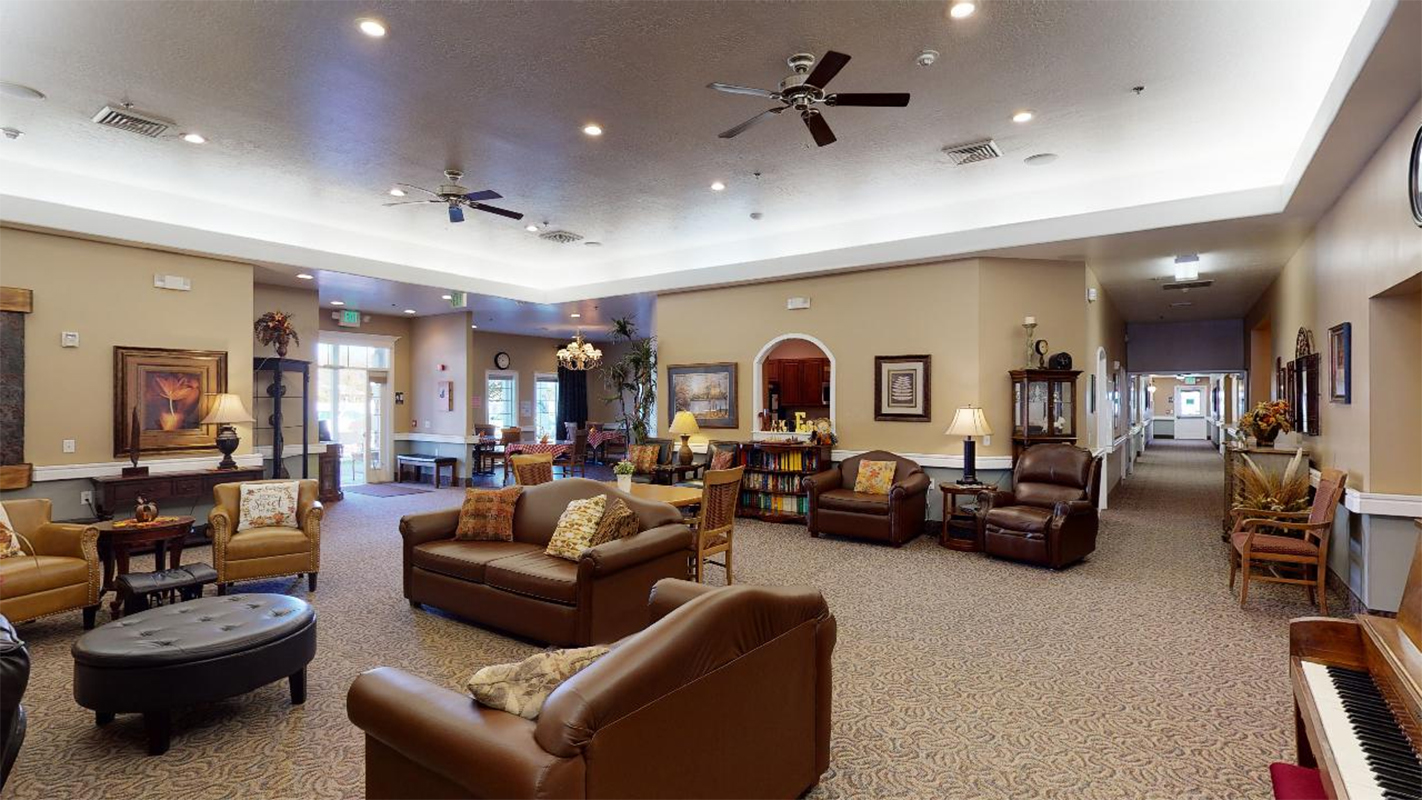
An activity area ought to feel safe and adult. Art products should be visible and obtainable. Instructions ought to be visual and simple, not long-winded. Chairs need to be stable with assisted living draper ut BeeHive Homes of Draper arms. If music is playing, it must not take on TV sound from another corner. Try to find cultural cues. Do the books, foods, and vacations reflect the citizens who live there, not simply a generic calendar?
You can find out a lot in five minutes by standing near the nurse's station at 4:30 p.m. Is the volume increasing, or do you see personnel guiding homeowners into relaxing regimens? Memory care that holds together late in the day generally has a strong activity backbone.
A quick on-site checklist for families
- Watch one full activity for a minimum of 20 minutes, note engagement, and see how personnel manage transitions.
- Ask to see a resident life story binder or profile, and how it feeds into the day's plan.
- Look for one-to-one sessions on the schedule, not simply groups, and ask who provides them.
- Check the environment for visual cues and security, like identified drawers and uncluttered strolling paths.
- Visit near late afternoon to observe how staff handle sundowning with soothing routines.
Measuring outcomes beyond smiles
Stories matter, but measurement keeps programs honest. I choose basic, significant data over glossy dashboards. Some communities use brief mood or engagement scales before and after targeted treatments, like noting agitation levels during care before and after including tailored music. Others track falls, sleep disruption, and use of as-needed medications, pairing that information with shows changes.
Ask how typically the team examines activity results with nursing. A monthly huddle that takes a look at three to five locals with duplicated distress and prepares tailored engagement can prevent a lot of friction. Likewise ask whether the community shares updates with families. A short regular monthly summary noting what worked for your loved one can be better than 40 daily checkmarks.
Integrating nursing care and activities
Care and activities often live in different silos on a layout, however they are inseparable in practice. Toileting, bathing, and dressing are chances for engagement if personnel time them with preferences and utilize personalized aids. Putting on lotion becomes hand massage with discussion about childhood gardens. A shower ends up being calmer when the restroom is warmed, favorite music plays, and steps are cued one by one.
When nursing and activities teams plan together, the day flows. If a resident sleeps badly, the morning might start later with a quiet routine instead of requiring 9 a.m. Workout. If somebody dozes after lunch and wakes restless at 3 p.m., an afternoon walk may move previously to preempt agitation.
Cultural, language, and spiritual life
People bring culture in methods big and little. Vacations and foods are apparent, but day-to-day rhythms are simply as crucial. Some residents are utilized to midday prayers, afternoon tea, or night news at an accurate hour. Neighborhoods that ask and tape these patterns get better outcomes. Bilingual staff or translation tools assist, but the tone of voice, body language, and patience are universal. Spiritual assistance, whether through clergy visits, hymn singing, or peaceful reflection space, can be a significant part of late-stage comfort.
Outdoors, gardens, and safe wandering
Fresh air is not a high-end. Even 10 minutes outside can lift mood. A protected courtyard that allows safe, looping strolls without dead ends decreases pacing tension. Raised garden beds invite tactile work that feels adult. I try to find shaded seating, even concrete surfaces to reduce tripping, and doors that are easily supervised however not locked in a way that shouts prison.
A good indication is seasonal programs that uses the outside area with intention, like herb planting in spring, tomato staking in summer, leaf collecting in fall, and bird feeder upkeep in winter.
Respite care as a showing ground
Short stays, often called respite care, offer families a low danger method to evaluate a community's program. A well run respite stay of one to two weeks can expose how your loved one responds to group and one-to-one activities, sleep regimens, and dining patterns. It likewise provides staff time to learn triggers and conveniences. Ask whether respite visitors get the same evaluation and life story consumption as long term citizens. If respite feels like a sideline, you will not get a real picture.
Respite stays also teach families what to bring. Individual items are not mess, they are anchors. A familiar blanket, a favorite sweatshirt, a picture book with clear labels, and a small speaker with a playlist can speed modification. Many families realize after respite that their loved one really rests more, eats better, and reveals less outbursts when the day has a strong, predictable spine.
Budgets, time, and the genuine trade-offs
Communities balance shows versus staffing spending plans and completing needs. You will see compromises. A little neighborhood might not afford a certified music therapist every week, however they may train assistants to utilize individualized playlists at essential times. A larger campus might have a full time activities team however battle to individualize due to the fact that of scale. The best concern is not who has the flashiest offering, it is who provides constant, person-centered engagement most days.
Pay attention to the surprise costs. Some treatments require products or outdoors vendors. Ask if those are included or billed independently. More notably, ask how the community focuses on programming throughout staffing shortages. The sincere answer informs you more than a brochure.
Questions to ask that surpass the brochure
- Can you walk me through the other day from breakfast to bedtime for two residents with different needs?
- How do you adjust when someone refuses groups or wanders during activities?
- What treatments have you attempted here that did not work, and what did you change?
- How do nursing and activities share details about what worked throughout care?
- How do you measure whether your program is assisting besides presence counts?
Red flags that are worthy of a 2nd look
Some indication appear rapidly. Television as default background noise in common locations typically associates with lower engagement and higher agitation. Calendars packed with long, complicated events in late afternoon ignore well known patterns of tiredness and confusion. Activities that look childish, like preschool crafts or child talk, signal a lack of training and regard. Aides who discuss citizens to each other, rather than with locals, betray culture more than any policy.
Burnout also takes a look. If personnel appear hurried, avoid eye contact, or default to "he refuses whatever," the program will struggle. It does not mean you should walk away, but it does imply you need to inquire about management stability, staffing support, and training plans.
Working with habits that challenge
People with dementia express pain, worry, dullness, and loneliness through habits when words fail. Activities need to become part of a strategy to prevent and respond to those signals. If a resident hits during bathing, staff should examine the sequence, the temperature level, the privacy, and whether music or a warm towel would help. If someone calls out consistently, personnel needs to look for unmet needs, then try a regimen that provides a task with function, like sorting napkins for dinner.
Programs that rely only on medication to manage habits tend to see short-term quiet at the expense of long term function. The much better path is frequently slower. It takes weeks to develop a soothing afternoon routine and to find out an individual's signals. Households can assist by sharing comprehensive histories and being patient as staff learn.
Documentation that matters
Look for care strategies that consist of particular activity and treatment notes, not unclear lines like delights in music. Good plans state which tunes, which artists, which volume, and when. They keep in mind that the resident eats better if someone sits throughout and mirrors pacing, or that they settle at 4 p.m. With 2 brief walks and a warm beverage. When documents is that granular, new personnel can action in without starting from scratch.
Daily notes ought to be quick, honest, and useful. Participation logs have actually restricted value unless they include fast quality markers, like engaged for 10 minutes, smiled during chorus, left group when room got loud.
A short case vignette from practice
Mrs. L was a retired English teacher with moderate Alzheimer's illness who showed up to memory care after numerous falls in the house. Her child liked the community's hectic calendar, but within a week Mrs. L was skipping groups and calling out in the afternoon. Staff tried redirecting her to crafts and trivia, which she refused. The nurse and activities director met with the household and found out that Mrs. L had constantly taken a mid afternoon walk, drank strong tea at 3:30, and check out poetry aloud to her students.
They adjusted. At 3:15, an aide welcomed her for a four lap walk around the courtyard, pausing at the bird feeder. Back inside, they sat with tea and check out two brief poems, duplicating favorite lines together. After two days, the calling out decreased. Within a week, Mrs. L began participating in an early morning reading group that used big print poetry and short essays, then slept after lunch. No new medications were needed. The repair was not expensive. It was precise.
Senior care ecosystems and continuity
Memory care does not exist in a bubble. Smooth transitions from home, medical facility, or assisted living into a dementia care program make or break the very first month. Neighborhoods that collaborate with primary care, physical therapy, and hospice when appropriate keep regimens undamaged. When a resident returns from a medical facility stay, even little changes in medication can agitate sleep and mood. A great team reposts anchors rapidly, reviewing playlists, reestablishing walking routes, and front packing one-to-one time up until the person stabilizes.
For households using respite care to bridge a caretaker's break or a home restoration, make certain the strategy includes a re-entry routine at home. Revive the very same playlist and strolling schedule that operated in the community. Consistency across settings guards against backsliding.
What to bring, what to expect, and how to partner
You can jump start success with a thoughtful move-in package. A labeled image book with names and easy captions, 3 or 4 preferred attires that are simple to put on, comfortable shoes, a sweater or blanket with a familiar texture, and a playlist loaded on a basic gadget cover more ground than ornamental knickknacks. Include a one page life story that includes what calms, what agitates, chosen wake and sleep times, and foods to avoid. Hand that to every team member who will connect with your enjoyed one.
Expect a change period. The very first two weeks can be irregular. Some residents reveal a honeymoon of engagement, then grow agitated as novelty fades. Others withstand initially, then settle as regimens form. Stay present but prevent watching every minute. Let staff construct their own rhythms with your loved one. Sign in weekly to share observations, then step back and watch for patterns throughout a month, not a day.
Final thoughts rooted in practice
Evaluating activities and therapies in a dementia care neighborhood suggests looking past the décor to the choreography. It is the little, repetitive choices that give the day a spinal column: the best song at the right minute, the walk before the storm, the task that feels like function rather than leisure activity. Programs that work are humble. They utilize what is understood from research without pretending every tool fits every person. They measure enough to learn, personalize enough to matter, and adapt enough to respect the individual in front of them.
If you visit and see personnel who understand homeowners by more than their diagnoses, who can tell you what worked the other day and what they will attempt in a different way today, and who secure one-to-one time even on hectic shifts, you are close to the mark. The rest is consistency, perseverance, and a desire to keep learning together. That is the sort of memory care that earns trust and, more significantly, provides individuals living with dementia days that still feel like their own.
BeeHive Homes of Draper provides assisted living care
BeeHive Homes of Draper provides memory care services
BeeHive Homes of Draper provides respite care services
BeeHive Homes of Draper supports assistance with bathing and grooming
BeeHive Homes of Draper offers private bedrooms with private bathrooms
BeeHive Homes of Draper provides medication monitoring and documentation
BeeHive Homes of Draper serves dietitian-approved meals
BeeHive Homes of Draper provides housekeeping services
BeeHive Homes of Draper provides laundry services
BeeHive Homes of Draper offers community dining and social engagement activities
BeeHive Homes of Draper features life enrichment activities
BeeHive Homes of Draper supports personal care assistance during meals and daily routines
BeeHive Homes of Draper promotes frequent physical and mental exercise opportunities
BeeHive Homes of Draper provides a home-like residential environment
BeeHive Homes of Draper creates customized care plans as residents’ needs change
BeeHive Homes of Draper assesses individual resident care needs
BeeHive Homes of Draper accepts private pay and long-term care insurance
BeeHive Homes of Draper assists qualified veterans with Aid and Attendance benefits
BeeHive Homes of Draper encourages meaningful resident-to-staff relationships
BeeHive Homes of Draper delivers compassionate, attentive senior care focused on dignity and comfort
BeeHive Homes of Draper has a phone number of (801) 495-3100
BeeHive Homes of Draper has an address of 711 Pioneer Rd, Draper, UT 84020
BeeHive Homes of Draper has a website https://beehivehomes.com/locations/draper/
BeeHive Homes of Draper has Google Maps listing https://maps.app.goo.gl/LgtrXf95hQFVgKrY8
BeeHive Homes of Draper has Facebook page https://www.facebook.com/BeeHiveDraper/
BeeHive Homes of Draper won Top Assisted Living Homes 2025
BeeHive Homes of Draper earned Best Customer Service Award 2024
BeeHive Homes of Draper placed 1st for Utah Senior Living Communities 2025
People Also Ask about BeeHive Homes of Draper
What is BeeHive Homes of Draper Living monthly room rate?
Our monthly rates for both Assisted Living and Memory Care at BeeHive Homes of Draper are thoughtfully designed to be all-inclusive. While pricing reflects each resident’s unique care needs, families appreciate that once a rate is established, it remains stable - no hidden fees or surprise increases as care evolves. We believe in clarity, consistency, and peace of mind
Can residents stay in BeeHive Homes of Draper until the end of their life?
In many cases, yes. We are honored to support residents throughout their journey, including end-of-life care, right here in the comfort of our Draper home. There are rare occasions when medical needs exceed our licensing (such as 24-hour skilled nursing) but we’ll always guide families through any transition with care and compassion
Do we have a nurse on staff?
Yes, we do. Our Registered Nurse, Jacque Parker, R.N., works closely with local home health nurses and house-call physicians to coordinate excellent care. This collaboration allows us to meet a wide range of health needs right here at home
What are BeeHive Homes of Draper's visiting hours?
We know how important it is to stay close to loved ones. That’s why visiting hours at our Draper home are flexible and designed around what works best for the resident. You’re welcome to visit during the day... just try not to come to early and stay too late
Do You Offer Rooms for Couples?
Yes, we do! BeeHive Homes of Draper offers select suites for couples who wish to continue living together while receiving care. These shared accommodations preserve comfort and connection while ensuring both individuals get the personalized support they need. Availability is limited, so reach out to learn more
Do You Provide Senior Day Care or Respite Services?
Absolutely. Our senior day care and short-term respite care options are perfect for families who need extra help during the day or while traveling. Guests enjoy the same high-quality care, engaging activities, and home-cooked meals as our full-time residents, all in a safe, social environment. We’ll help you find a care plan that fits your schedule and your loved one’s needs.
What’s the Difference Between Assisted Living and Memory Care?
Assisted living is best for seniors who benefit from help with daily activities but still enjoy socializing and independence. Memory care is a more structured service tailored to individuals with Alzheimer’s or other cognitive conditions, with routines, guidance, and security that support safety and emotional well-being.
Where is BeeHive Homes of Draper located?
BeeHive Homes of Draper is conveniently located at 711 Pioneer Rd, Draper, UT 84020. You can easily find directions on Google Maps or call at (801) 495-3100 Monday through Sunday Open 24 hours
How can I contact BeeHive Homes of Draper?
You can contact BeeHive Homes of Draper by phone at: (801) 495-3100, visit their website at https://beehivehomes.com/locations/draper/ or connect on social media via Facebook
Stonebridge Park is a relaxing neighborhood park that complements the active lifestyles encouraged through Assisted living, memory care, senior care, elderly care, and respite care.